
" Villa di Campiglia "
Collezione di Antiche Camelie
dell’Ottocento
Studio , censimento e
riconoscimento delle Antiche
Camelie esistenti
in Italia e Europa , fino al 1900.
Oltre 1400 cultivar di Camellia japonica attualmente riconosciute.
Le foto in alta definizione , vanno richieste a:
Questo indirizzo email è protetto dagli spambots. È necessario abilitare JavaScript per vederlo.
CENSIMENTO e
RICONOSCIMENTO
Abbiamo quasi terminato , il nostro immenso lavoro di riconoscimento
lavorando su oltre 40.000 fotografie in archivio , scattate in quasi 25 anni di lavoro :
Abbiamo ridato o meglio dire , dato , un nome a tantissime CV. NOMINATE DA VARI INTENDITORI
IN MODO STRAVAGANTE
In Toscana ricordiamo tutte le Ville o semplici giardini privati, che ci hanno permesso questo lavoro.
Terminato o quasi il lavoro di censimento di Villa Reale , Villa Mansi , Villa Orsi , Villa di Puccio , Villa Minutoli , Villa Grabau , Villa Saltocchio , Villa Ada , Villa Montecatini , Villa Oliva
Villa Durazzo Pallavicini , Villa Ollandini , Villa Rossi , Villa Noseda , Comune di Locarno , e altre Ville o giardini che aggiorneremo :
RINGRAZIAMO
Tutti gli amici e appassionati , che ci hanno mandato fotografie di Camelie Antiche
esistenti nelle loro case , e garantiamo che saranno pubblicate , riportando il nome di chi le ha fotografate.
Un particolare ringraziamento a Lucia Garibaldi , al Comune di Locarno.
NON RINGRAZIAMO
Molti Comuni , Societa varie della Camelia , Parchi Italiani , F.A.I. Villa Durazzo Pallavicini , per il DISINTERESSE , l'arroganza dimostata , per sviluppare questo Progetto unico . Tutto questo , per ignoranza , superficialita , e presunzione di affidarsi a cosidetti " esperti " , che fanno solo della memoria storica ed obsoleta, arma di lavoro . Per correttezza NON nominiamo a nostri denigratori , li invitiamo solo a venirci a trovare e vedere il nostro immenso Database .
OFFRIAMO
la nostra consulenza , a tutti i proprietari di esemplari di Camelia antica rimaste senza nome o con nome dubbio .
Ville , parchi , giardini , in Italia e in tutta Europa., vedi il nostro esclusivo PROGRAMMA Computerizzato
Telefonare 347 7063951 o mandare una mail
Questo indirizzo email è protetto dagli spambots. È necessario abilitare JavaScript per vederlo.
il nostro lavoro di riconoscimento , non si basa solo sulla esperienza visiva , o sulle denominazioni date da vivaisti d'epoca, o sui nomi dati da "esperti" , a Camelie esistenti in Parchi e giardini . Noi ci basiamo sui dati che ci fornisce il nostro programma computerizzato . Cosi saltano fuori nomi di Cultivar insoliti , ma riteniamo , precisi . E' un lavoro innovativo , mai fatto finora , ma dà risultati insperati , e sicuramente molte critiche .Tutte le Cultivar che introdurremo a breve , sono frutto di un immenso archivio di fotografie , fatte in ogni luogo d'Europa , catalogate in ogni dettaglio . Alcume ( molte ) che riportano un nome "insolito" per la tradizione e la cultura Italiana , sono state scattate in localita strane , magari un giardino che ne aveva una sola , sconosciuta , messa sicuramente a dimora , prima del 1900 . Ad esempio , esiste un parco in Liguria che conserva ancora manoscritti del 1850 , dove i giardinieri d'epoca registravano le CV. esistenti , e a sorpresa tra queste sono ricomparse delle CV. considerate addirittura ESTINTE .
NOTA
presto inseriremo nel nostro sito , tutte le Ville Storiche che aderiranno al nostro lavoro di ricerca
CENSIMENTO
Esiste in Italia e in Europa un patrimonio inestimabile di vecchie piante di Camellia Japonica. Di queste Camelie Antiche, ormai secolari, inizialmente messe a dimora in parchi , ville, giardini, molto spesso sono stati dimenticati , ignorati o mai saputi i loro nomi e la provenienza. Queste Antiche Camelie , moltiplicate poi da floricoltori dell'epoca e in seguito da vivaisti moderni , sono state per anni vendute senza nome o con nomi di pura fantasia .
Cultivar Antiche
appena riscoperte
new entry 1
new entry 2
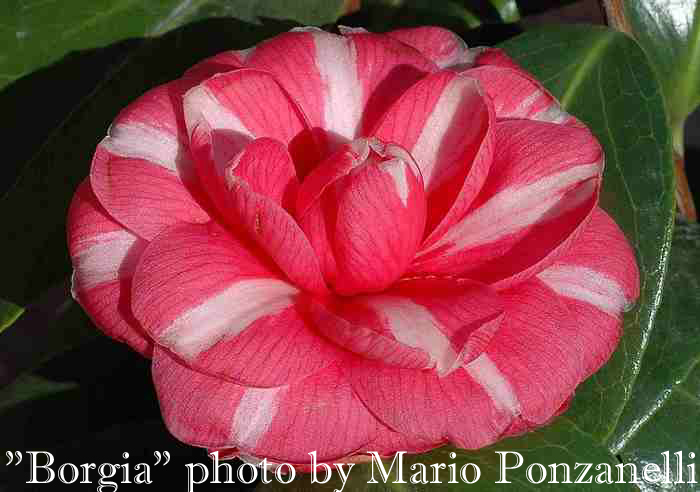
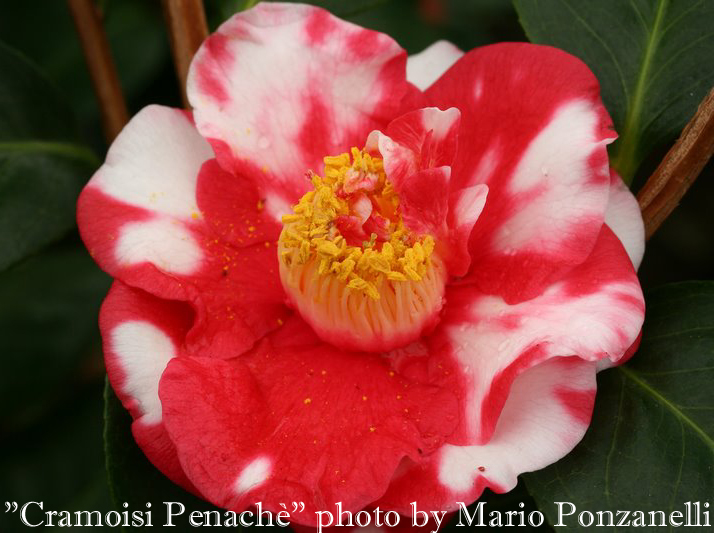
Riprendiamo dopo 4 anni , il nostro lavoro di classificazione di antiche Cv.
di Camelia Antica , sfruttando l'enorme mole di fotografie ,
fatto in passato . Si tratta di CV. difficili da trovare , scattate in
Italia , Svizzera , Francia , e in paesi dell'Est Europeo .
Non indicheremo , dove sono state scattate , solo noi saremo i
depesitari di questo archivio . La varie Società non sono ringraziate
per il nullo apporto dato a questa ricerca , e per la scarsa semsibilità dimostrata .
Le nuove foto , NON potranno essere scaricate dal sito
New Entry prossime
Presto inseriremo Alcune Cv. antiche anteriori al 1900 appena riconosciute , provenienti
da Ville Storiche , Perchi , semplici giardini secolari.
Alcune CV. sono state idenficate , grazie alla prenze di archivi storici
nelle ville , dove sono state scattate le foto .
Un enorme grazie ai proprietari , che hanno contribuitp
a questo immenso lavoro .
Update 01.january.2020
Acuminate Ignea , Angulans , Baringtoniana , Baxterii , Bijou de Florence , Campo Carlo , Cesare Franchetti , Concolor Peoniflora , Ebè , Ernesto rosazza , Francesco Benucci , Gloria Belgica , Italiana Vera , Loepoldina d'Italie , Maddalena d'Italie , Nina Centurioni , Palmer's Carminea , Pirzio Secondo , Plumaria , Psichè , Raffaello d'Urbino , Spendida Borghese , Unica , Villegeoise
Update al 04 gennaio 2020 :
Adelaide Scoeller , Augusto Scarlatti , Beutè de Nantes , Bolongara , Bordeau , Brutus Prolifera , Carolina De Filippi
Caterina Magnani , Contessa Paolina Guicciardini , Contessa Spada Lavini , Decurrens Oblonga , Donna Francesco Salviati
Duc de Reichstadt , Florida . Geneviensis , Giulia mannucci , Imbricata Macrophilla , Isabelle , Luduiana Richter
Marco Paolo , Margherita Belluomini , Mellinetti , Mina Shmitz , Mrs Dombrain , Octave Burnier , Olimpica ,
Onore della Torre , Rose la reine ,Pomona , Pomponia Marginata , Prince Albert , Principe Umberto , Principessa di Belmonte
Rawesiana , Rubra Tenera , Semi Duplex , Surprize des Botanistes , Vantini d'Italie , Virginia Bresciana .
Update al 07 gennaio 2020 :
Antwerpiensis , Clodia , Dicksonii , Geneviensis , Heinrick Seidel , Nitida de Chandler ,
SouAenir d'Emile Defresne , Emilia Peruzzi , Mantica , Saffo , Tito Odero , Virginalis , Virginea
Update al 11 gennaio 2020 :
Ariel , Bettina , Cenomana , Coronide , Imbriucata rosea , Madama Miellez , Nivea , Parkeri , Planipetala , Poliuto , Prince Charles de Schwartzemberger .
Update 21.january.2020 :
Beuty of Horsney , Imperatrice de Russie , Odorata Nnova , Proserpine , Anemoniflora rubra
Carolina Legnani , Federique Hulman , Gilardii rosea , Jenny Lind , La sonnambula , Sole d'Italia ,
Triunphans , Elvira Delli , Anemoneflora rosea precocissima , Fulgens d'Italie , Gilesii , Guancia di Vanere
Hugoni , Lady Hill , Ochroleuca , Comte Carini
Update 06.March.2020
A.J.Downing , Alba Bouturline , Atrovilacea (updarte) , Baronne Leguay , Bella gioia , Bertta Ravenè , Bordeau , Capponiana , Carlo Magno . Carlotta Pisani , Carswelliana alba , Celsiana , Cesare Arici , Clisson globe , Conte Aldo Annoni , Conte Durin , Conte Francesco Annoni , Cummingii , De Bugny , Donna Isabel Salviati , Duc de Bordeau , Duchessa di Litta , Eleonora , Emperor Alexandre , Fornariva , Francesca da Rimini , Francesco Benucci , Giardino del Cardinale Antonelli , Giuseppe Baragli , Giuseppe Savoldi , Il Robertii , Kerrison , Laura , Louisa Poggi , Lowely rose , Luisa Franchetti , Maculata Perfecta , Maddalena d'Italie , Monstruosa , Marchesa Carega , Marchese Gentili , Master Picoti , Melanophilla , Mrs.Cope , Odorata Novissima , Orfeo , Paradoxa , Perpenti , Pirzio , Pisani , Pontederese , Principessa Mathilda , Punctata Plena , Rawesiana , Rè , Rosa Brandi , Rubra maculata , Sabina , Sedilla , Superba , Terzi , Trackir , Tricentrica , Unica , Vincenzo Salvagnoli , Warrath flammea , William Niblo
°°°°°°°°°°°°°°°°°
Ci scusiamo di alcune foto poco nitide , fatte in condizioni particolari ,
pioggia . maltempo , fine fioritura che ci ha impedito una ottima qualità di immagine .
Tutto ciò dovuto alla mole gigantesca del lavoro svolto .
Provvederemo quanto prima alla loro modifica
IL NOSTRO LAVORO.
E ora salta fuori il lavoro che stiamo completando , frutto di oltre trenta anni di appassionata ricerca , che riporta in un programma per computer un elenco di oltre 2900 Cultivar di Camelia japonica commercializzate dai vivaisti dell’ottocento , quindi realmente esistite. Ogni singola varietà di Camellia japonica viene descritta con 34 parametri tecnici , dal colore dei petali , alla loro forma , alla dimensione dei fiori, alla presenza di screziature, macchie, striature, all’esistenza di stami o petaloidi, infine alla forma delle foglie. Infatti , cosa spesso fondamentale nella identificazione delle Antiche Camelie è la forma della foglia , il suo colore, la seghettatura del bordo , la forma del boccio , il colore delle perule , il suo portamento. Non riteniamo invece fondamentale l’epoca di fioritura in quanto troppo influenzata da condizioni climatiche e ambientali diverse .
SPECIALE PROGRAMMA RICONOSCIMENTO DELLE CAMELIE ANTICHE.
Questo è soltanto un piccolo esempio di come funziona il nostro programma per il riconoscimento delle antiche Camelie dell'800. Nel nostro database, frutto di 20 anni di lavoro, sono elencate 2883 cultivar di Camellia japonica descritte nei cataloghi dei vivaisti Europei dell'Ottocento e quindi realmente esistite.
Prossima uscita del CD gratuito " Camelie Antiche".
Oltre 1000 foto in altissima risoluzione 3888x2592 dimensione 5,47 MB solo nel CD saranno visibili in anteprima le ultime cultivar di Camellia japonica riscoperte recentemente, anche grazie all'aiuto di collezionisti .
